
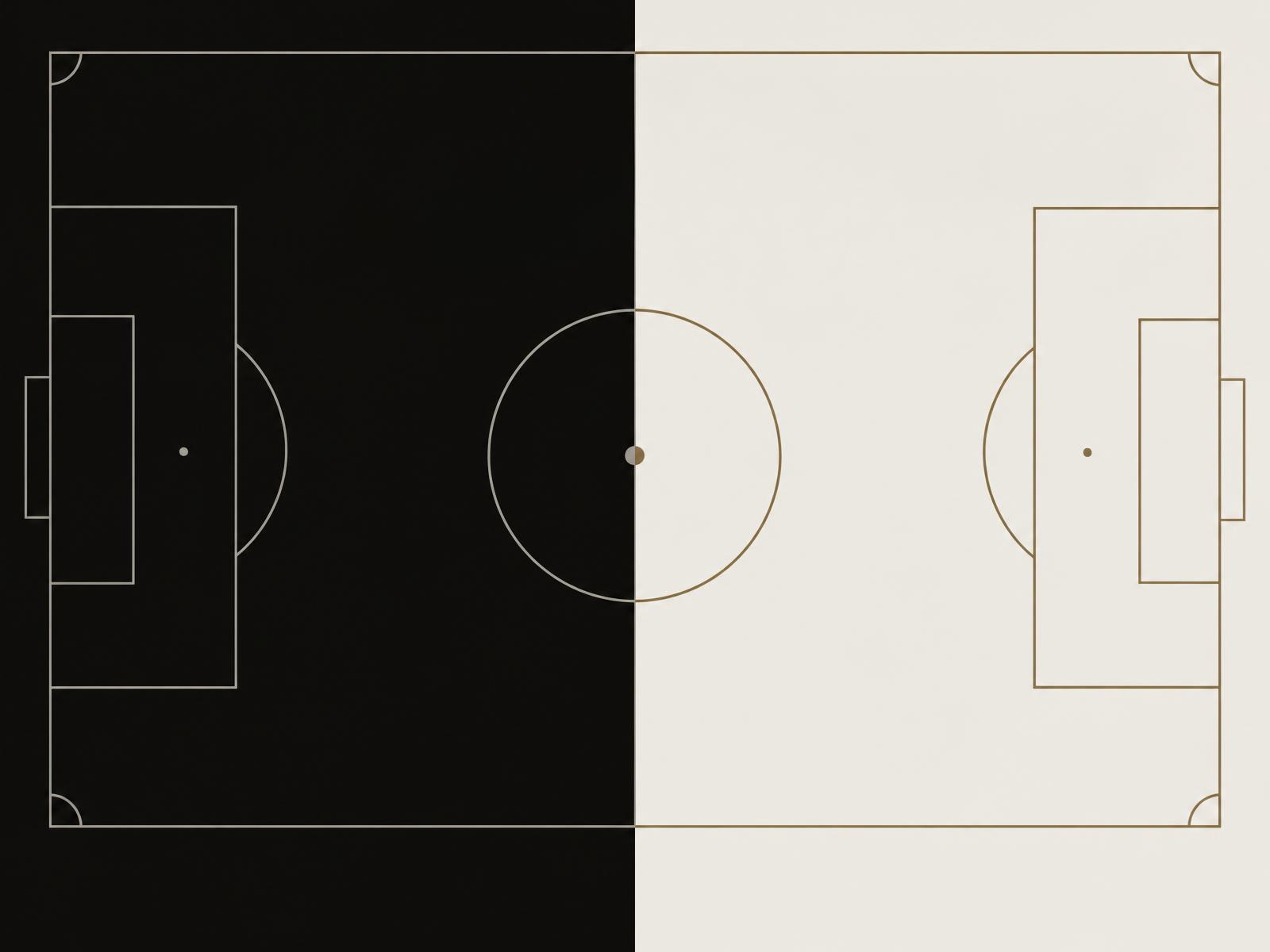
The man who drew the lines
In 1978, with a borrowed marking wheel and a field nobody wanted, Arben Hoxha built a club that still plays every Saturday.
By Elira Marku | 5 November 2026| 12 min read
The field behind the old brickworks was not meant for anything. It sloped, it flooded in March, and it belonged, as far as anyone could tell, to nobody. Arben Hoxha walked it every evening for a month before he decided it would do.
He borrowed a marking wheel from a school two villages away and a bag of whitewash from a builder who owed him a favour. The first lines he drew were crooked. The second set, a week later, were almost straight. By the end of that summer there were goals, a halfway line and eleven men who had agreed to turn up.
“You don't start a club. You start a habit, and one day you notice it has a name.”
Nearly fifty years later the club has four senior sides, a girls' academy and a waiting list for the under-eights. The field still slopes. Nobody has suggested levelling it, and Arben, now eighty-one, would not allow it if they did.
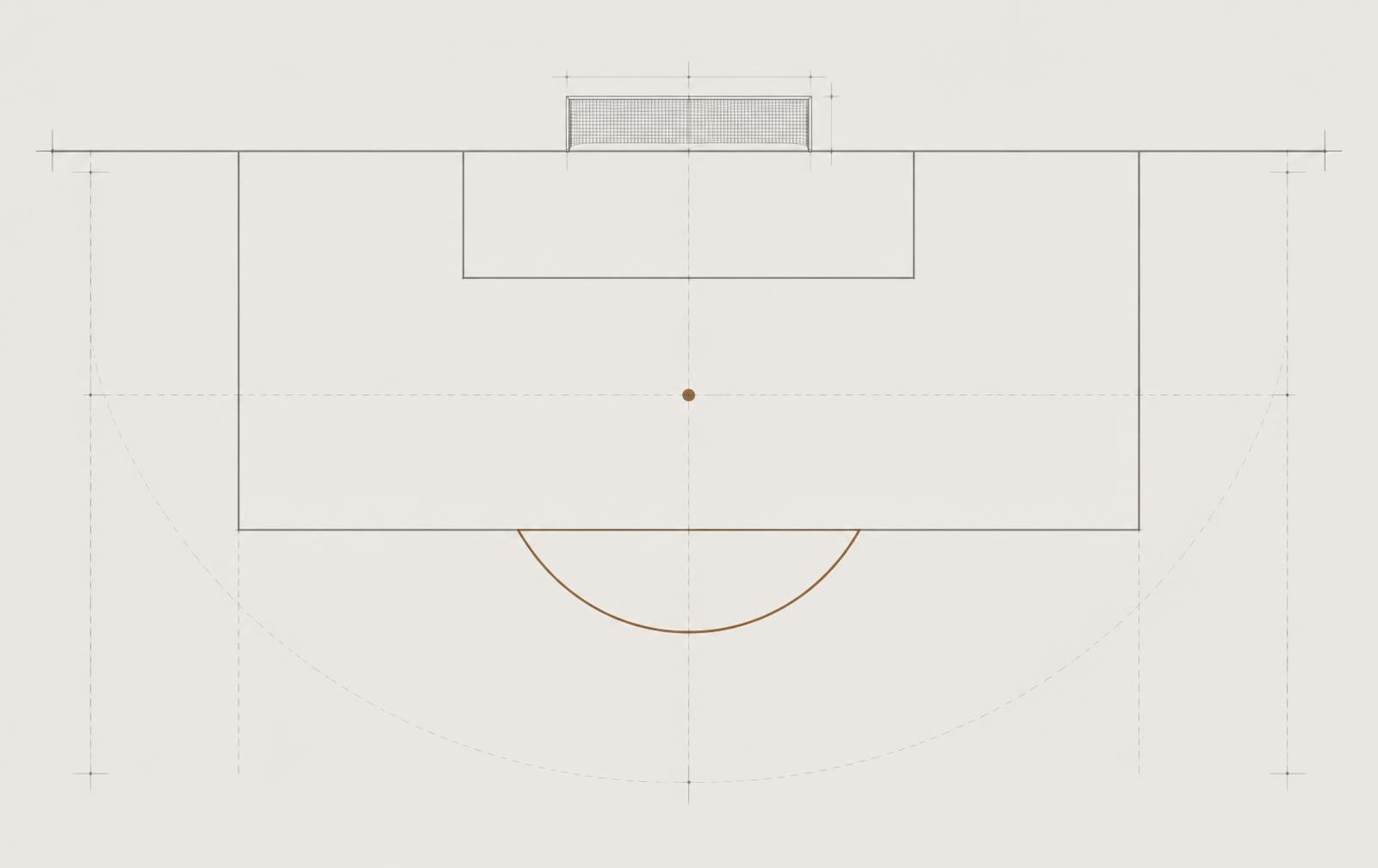
A habit with a name
He still arrives first. He checks the nets, walks the touchline and stops at the corner flag nearest the road, where the ground is softest. He presses it with his heel, the way you might test a mattress, and nods.
Asked what he is most proud of, he does not mention promotions or trophies. He points at the lines. They are straight now. They have been straight for a long time.
More from The Founder
View the seriesA notice in a shop window
How a hand-written card in a newsagent's window became a women's league with forty teams.